Leveraging Renewable Natural Gas Solutions for Cost Savings and Efficiency: What Is Biogas?
In today’s clean energy landscape, the concept of the circular bioeconomy has become more significant than any other period in history.
Internal and external stakeholders, from corporate partners to activists and government entities, desire long-term environmental sustainability.
By upgrading raw biogas into high-purity biomethane, organizations can transform unavoidable organic waste into a profitable, pipeline-ready fuel source.
This article explores common questions like “What is biogas?” and expands to outline the framework necessary to maximize its operational and regulatory benefits.
Biogas: The Raw Material and Biological Processes
Maximizing financial and operational yields on RNG production requires a precise understanding of the raw material and its role within the broader clean energy market.
What is Biogas?
Biogas is a renewable, energy-rich gas produced from the natural breakdown of biomass. Instead of drilling into the earth for depletable fossil fuels, treatment processes can convert waste into raw biogas, which is then upgraded into RNG.
Chemically, biogas is primarily a mixture of methane and carbon dioxide. Capturing this gas mixture inside an enclosed facility prevents potent greenhouse gases from escaping into the atmosphere as waste decomposes.
When biogas is upgraded to biomethane, it becomes functionally identical to natural gas and supports the same end-uses. It’s a highly sustainable, clean-burning fuel source that’s effective for generating electricity, providing heat, or even fueling vehicles.
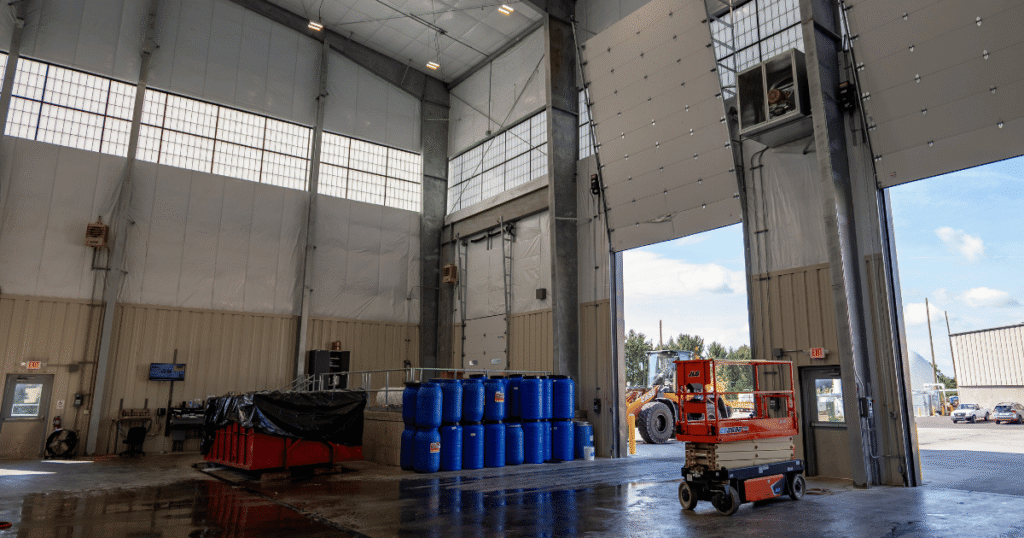
To produce this energy, facilities rely on organic waste that would otherwise decay in the open. The most common sources of biogas include:
- Municipal Wastewater Biosolids: Sludge and organic matter separated during the sewage treatment process.
- Industrial Wastewater Streams: High-strength organic waste and process water from food and beverage manufacturing plants.
- Commercial Organics: Diverted food waste, restaurant scraps, and organic manufacturing byproducts.
- Landfill Gas: Fugitive methane emissions captured directly from municipal solid waste facilities.
Most of these waste sources move through an engineered anaerobic digestion system before processing and refinement into RNG. Landfill gas differs slightly as operators capture it directly from the decomposing waste mass through a network of collection wells rather than a sealed digester.
The Anaerobic Digestion Process
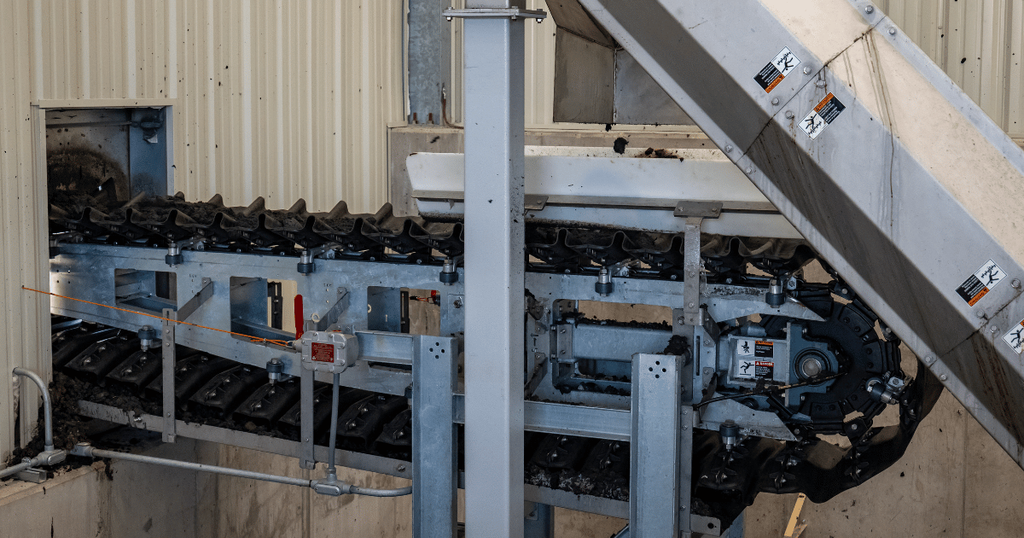
The production of biogas relies on a highly engineered, scientific process called anaerobic digestion. At its core, this is a multi-stage biochemical process where a diverse range of microorganisms break down organic matter in an oxygen-deprived environment.
While this process can occur naturally in locations like landfills, commercial biogas production requires a strictly controlled environment.
A team of multidisciplinary engineers and biochemists designs and scales sealed vessels, commonly known as bioreactors or digesters, to fit the specific layout of a site. These systems continuously optimize critical variables ranging from temperature to pH, mixing, and retention times.
By precisely managing these conditions, operators can continuously capture valuable raw biogas from the top of the vessel while discharging digestate.
The Operational and Environmental Benefits of Biogas
Capturing raw biogas does more than just solve immediate waste management challenges. It’s a high-value energy strategy to stabilize organic waste and achieve critical environmental, social, and governance (ESG) goals.
By deploying a managed anaerobic system, municipal and industrial facilities can reap the benefits of several operational and environmental advantages:
- Operational Cost Reduction: Traditional waste treatment and disposal often represent a major, volatile operational expense for industrial facilities. A managed digester system presents a unique opportunity to transform an environmental liability into a strategic asset.
- Fugitive Emissions Mitigation: Uncontrolled organic decomposition can generate significant odors and localized air quality issues that may strain community relationships and trigger regulatory scrutiny. Bioreactors help to minimize these threats and produce environmental benefits.
- ESG Milestone Achievement: Modern municipal authorities and corporations alike face increasing pressure to meet ESG criteria from public and private stakeholders. Anaerobic digestion technology provides verifiable, audit-ready data for greenhouse gas emission reduction and footprint tracking.
- Sustainable Biosolids Management: Standard wastewater treatment methods generate massive volumes of unwanted raw sludge that require intensive management. Controlled anaerobic digesters significantly reduce the overall solid mass and convert byproducts into stable, low-odor digestate.
Refined Biogas as an RNG
While raw biogas has powerful applications for on-site combustion, the limitations of its high carbon dioxide concentration and trace impurities prevent direct integration into energy markets. By upgrading it into pipeline-quality RNG, manufacturers can overcome these limitations and harness the full capability of biogas.
An advanced gas purification system demands more capital upfront than the average flaring or atmospheric boiler, yet it generates significantly greater long-term returns.
This conversion process from a localized byproduct to a premium clean energy commodity unlocks access to utility-scale procurement contracts and premium environmental credit markets.
But, transforming raw biogas into a valuable asset requires strategic planning with a clear understanding of the purification process and the distribution pathway.
The Upgrade Process From Raw Gas to RNG
The anaerobic digestion process is only the first step in creating pipeline-quality RNG.
Specialists must upgrade raw biogas to harness its valuable properties through a multi-stage purification process:
- Primary Conditioning: Specialists cool or chill biogas to force moisture to condense out, preventing it from pooling in the system or compounding with other gases.
- Targeted Contaminant Scrubbing: In the next stage of the refinement process, the biogas moves through specialized media that target specific contaminants. Iron sponge media captures hydrogen sulfide, while activated carbon and specialized adsorbents remove siloxanes.
- Carbon Dioxide Separation: Through advanced processes like membrane separation or pressure swing adsorption (PSA), scientists physically isolate and remove the heavy volume of carbon dioxide. This step boosts the energy density and heating value of the fuel.
Ultimately, this process transforms biogas from a liability into a premium, pipeline-ready commodity with 96 to 98 percent pure methane.
Practical Applications for RNG
Once upgraded, RNG provides unprecedented application flexibility.
Several of the commercial applications of refined biomethane include:
- Direct Pipeline Injection: Takes advantage of a friction-free distribution network offered by the commercial grid to monetize biomethane.
- Virtual Pipeline: Relies on a unique infrastructure with specialized truck trailers that monetize the RNG by delivering it from remote locations.
- On-Site CHP: Combined Heat and Power (CHP) offers a unique opportunity to recycle waste and power operations at your own facility to reduce energy prices.
Beyond these benefits, there are also lucrative financial incentives provided by federal and state governments.
When RNG is injected into the pipeline for use as a transportation fuel, projects can generate federal Renewable Identification Numbers (RINs). Most RNG qualifies for high-value D3 cellulosic RINs, while some pathways generate D5 advanced biofuel RINs. Projects may also qualify for state-level Low Carbon Fuel Standard (LCFS) credits by meeting state carbon intensity standards.
Ultimately, these frameworks reward environmental performance with tradeable environmental credits.
RETTEW brings together a multidisciplinary team of engineers, scientists, regulatory strategists, and project managers to drive sustainable growth for your organization. We help corporations, private enterprises, and municipal authorities capitalize on lucrative RNG opportunities and state and federal incentives.
Ready to consult with a specialist on your biogas project? Connect with our Market Lead now to begin building a detailed plan to meet your objectives.

Jason Wert, National Market Lead Renewables and Energy Production
Mr. Wert is RETTEW’s National Market Lead for Renewables and Energy Production. He offers strategic oversight of sustainable energy initiatives with in-depth industry knowledge of renewable energy technologies with a talent for securing the funding that moves projects from concept to reality.
Email: jwert@rettew.com
Jason Wert, PE
Mr. Wert is a Senior Technical Engineer and is responsible for the development and technical evaluation of traditional and renewable energy projects throughout the United States. With more than 30 years of experience, he brings a unique depth of experience to the project team and practical knowledge in the financing, development, design, and operation of renewable energy projects. Mr. Wert is especially experienced in renewable natural gas (RNG) development in the agricultural, commercial, and wastewater markets.
Contact


