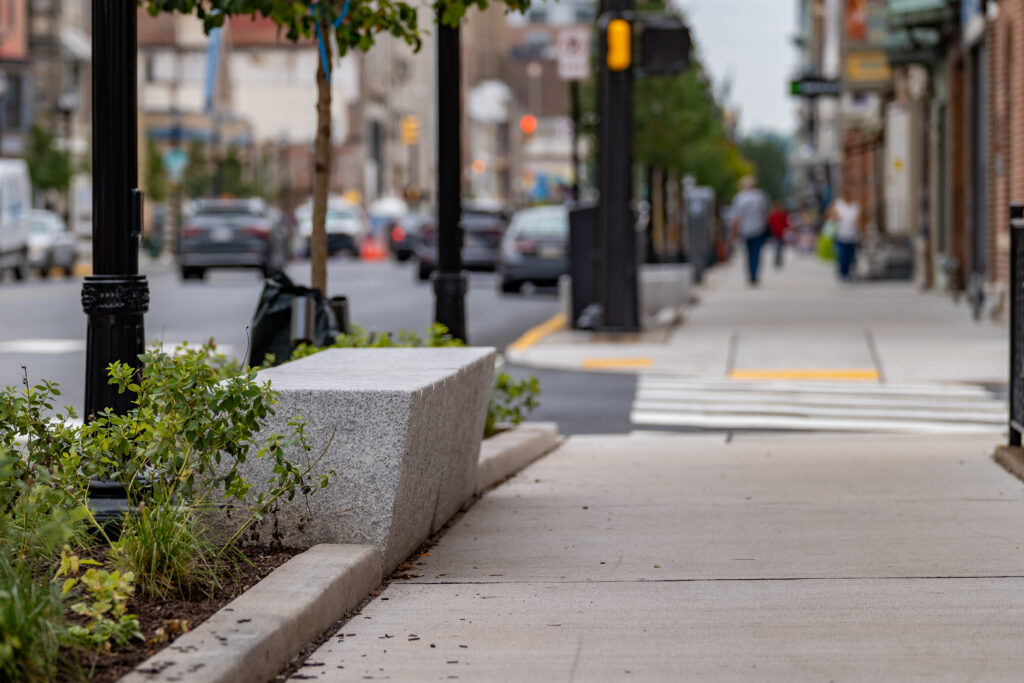
Urban Infill Development, The Case for Building Up Instead of Out
Urban infill development in mid-size cities is gaining ground over traditional greenfield growth. It builds on existing infrastructure, responds to housing demand that greenfield supply hasn’t kept pace with, and in many markets is moving through a regulatory environment that is increasingly built to support it. The engineering challenges are real, but a civil engineering team with direct urban infill experience can navigate them without derailing a project’s timeline.
The Familiar Pattern Is Breaking Down
For decades, development in the United States followed a familiar pattern. For a generation, growth followed the greenfield model, finding land at the edge of a city, building out, and repeating the process elsewhere. It was straightforward, predictable, and financially attractive as long as land was available and infrastructure costs were manageable. That model is now under increasing pressure as it consumed land, extended infrastructure, and dispersed tax bases. Urban infill development is gaining ground as a result, and the question for developers and municipalities is not whether to adapt, but how quickly.
The Urban Land Institute (ULI) has spent years documenting the shift, and its real estate trends research is some of the clearest data available. According to the National Association of Home Builders’ 2024 Builder Practices Survey, about 27 percent of new single-family homes have been built on previously developed land, including teardowns and infill lots in older neighborhoods, a sign of the shift toward urban infill development. Much of that land was once part of a thriving neighborhood before it sat overlooked and underused for decades. Now, a convergence of forces is redirecting attention back toward urban revitalization.
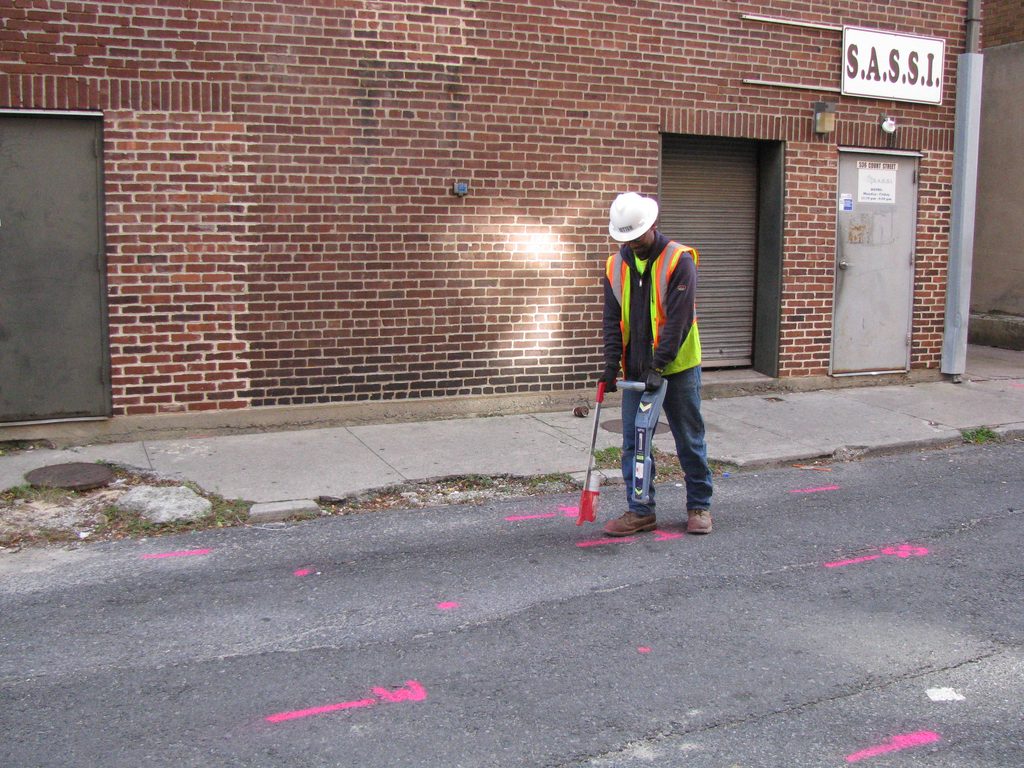
Every urban infill site has a story underneath it, and the sooner you understand that story, the better your project goes. RETTEW spends a lot of time early in the process looking at what was there before, what utilities are running beneath the surface, and how the drainage patterns are running before anyone has touched the site. Nobody notices that work, but it is almost always what determines whether a project moves smoothly through approvals or gets caught in a cycle of revisions.
Housing Demand and Policy Are Pointing in the Same Direction
Housing demand is one driver of urban infill development. Across the mid-Atlantic and beyond, an increasing number of renters are cost-burdened, and the need for both market-rate and affordable housing continues to outpace supply in markets where new construction has been limited. Mid-size city development offers a significant opportunity, with existing infrastructure, motivated municipal partners, lower land costs than primary markets, and genuine pent-up demand. But capturing that opportunity requires a very different approach than greenfield development, and a different kind of engineering partner.
Another driver is policy. State and local governments are increasingly reforming regulatory frameworks to encourage density and connect housing production to existing transit infrastructure. Pennsylvania’s own municipal planning environment is evolving in parallel, and infill development in Pennsylvania now moves through a shorter regulatory path than it did five years ago. With the right local knowledge and relationships, the regulatory environment becomes a pathway rather than a bottleneck.
Why the Civil Engineering Partner Matters More in Urban Infill
Urban infill can often be more complex since the sites are smaller, the constraints are greater, and the margin for error is narrower. Brownfield conditions, aging underground utilities, historic structures, nearly impervious sites, multi-agency permitting, and the need for pedestrian safety and traffic flow throughout construction are not exceptions in urban infill, they are the standard operating environment. ULI’s own research on land assembly for infill development shows that projects concentrate where market demand is strongest, with land costs, regulatory complexity, and market-specific dynamics cited as the primary barriers. Those barriers are real, and while the right land development engineer can’t eliminate them, they bring the experience to navigate them without derailing the project.
What a Decade of Urban Engineering Looks Like in Practice
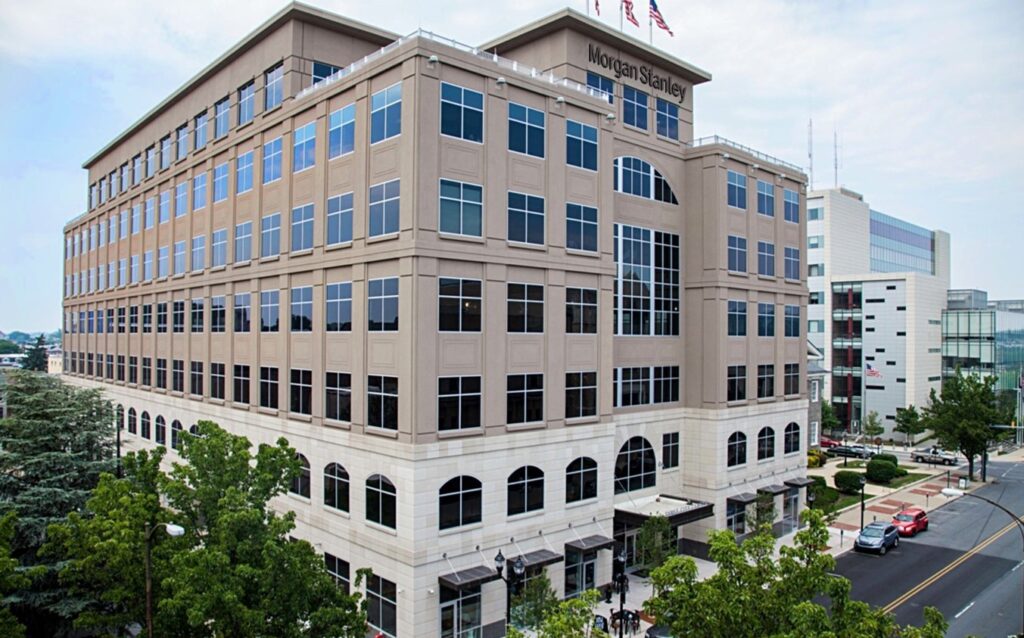
RETTEW has worked in downtown Allentown, Pennsylvania, for more than a decade on one of the most sustained downtown redevelopment efforts in the region. Our work in Allentown began with Three City Center, a turnkey land development project on the former site of the Vaudeville-era Colonial Theater and the catalyst for the city’s broader revival. From there, it grew into one of the most comprehensive urban engineering portfolios in the region, spanning residential towers, mixed-use development, adaptive reuse conversions, a transit plaza, public parks, streetscape improvements, hospitality, and parking infrastructure. The result includes more than thirty consecutive projects within the same downtown core, two Urban Land Institute Awards for Excellence, and multiple recognitions from the Lehigh Valley Planning Commission and Lehigh Valley Business.
The conditions that defined that work, constrained footprints, aging underground infrastructure, brownfield sites, multi-agency permitting, and fast-track schedules, are the same conditions that define urban infill work across Pennsylvania and the mid-Atlantic. What RETTEW created in Allentown is not just a portfolio. It is a repeatable capability.
If you are evaluating a site, planning a downtown redevelopment project, or thinking about what your community could look like in ten years, the Allentown story is a good place to start.
Frequently Asked Questions
What is urban infill development? Urban infill development means building on vacant, underused, or previously developed land inside an existing city, rather than expanding outward onto undeveloped land at the city’s edge.
Why is urban infill development growing faster than greenfield development? Housing demand is outpacing supply in many markets, state and local governments are reforming zoning to encourage density near transit, and mid-size cities offer lower land costs and existing infrastructure that greenfield sites don’t.
What makes urban infill civil engineering more complex than greenfield engineering? Urban infill sites come with smaller footprints, aging underground utilities, brownfield conditions, historic structures, and multi-agency permitting – all conditions that greenfield sites rarely have to account for.
Does urban infill development cost more to get through permitting? ULI’s research on land assembly found that urban infill projects face real barriers around land costs, regulatory complexity, and market-specific dynamics, but a civil engineering team experienced in a jurisdiction can navigate those barriers without derailing a project.
Further Reading
These resources informed this post and offer additional context for developers, municipalities, and planning professionals thinking about urban infill and revitalization.
- ULI/PwC Emerging Trends in Real Estate 2026
- ULI: Building the Future 2025 — A Blueprint for Housing Innovation
- ULI: Reshaping the City — Zoning for a More Equitable, Resilient, and Sustainable Future
- ULI: Designing for What Comes Next — How Cities Are Rewriting the Rules of Urban Development
- ULI: Small-Scale Infill Projects Add Density to Tight Sites
- Lincoln Institute of Land Policy: Infill Housing Solutions Driving Urban Zoning Reform
- The Institute for Public Policy and Economic Development: Infill Development as a Solution to the Housing Crisis (2025)
- Brookings Institution: Small and Midsized Downtown Recovery (2025)
- NJ TOD: Infill Development — Balancing Growth, Transit, and Sustainability
- National Association of Home Builders: 2024 Builder Practices Survey
- ULI: Barriers and Solutions to Land Assembly for Infill Development
Joel Young
Joel Young serves as the Development Market Leader at RETTEW. He directs the private business development market which includes industrial and distribution facilities, residential communities, educational institutions, urban revitalization efforts, commercial sites, recreational developments, and retirement living spaces. He also leads the firm's Land Planning and Design division, guiding project teams through every phase—from master planning and site design to zoning and land development submissions.
Contact


